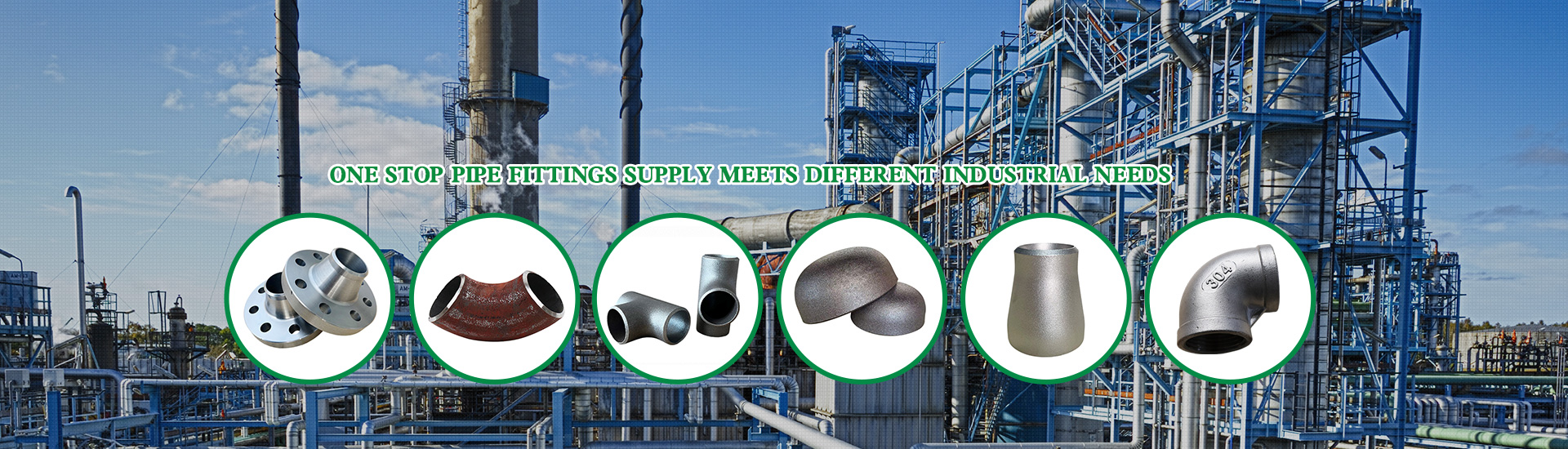
The materials selected for pipe fittings manufacturing directly determine performance characteristics in industrial applications. Understanding manufacturing methods and material choices helps specify appropriate products and ensures reliable operation. This guide explores common materials and manufacturing processes used to produce quality pipe fittings.
Carbon Steel in Pipe Fittings Production
Carbon steel serves as the predominant material for pipe fittings across general industrial applications. Its widespread use stems from readily available raw materials, established manufacturing processes, and adequate performance for most service conditions. Carbon steel fittings handle water, steam, air, and petroleum products throughout industries including oil and gas, chemical processing, and power generation.
The carbon content in carbon steel typically ranges from 0.10 percent to 0.30 percent, directly influencing strength and hardness. Higher carbon content increases strength but reduces weldability, limiting use in fabricated fittings. Manufacturing specifications balance mechanical properties against fabrication requirements using controlled carbon levels.
ASTM A106 covers seamless carbon steel pipe, while ASTM A234 governs carbon steel fittings. These specifications establish minimum mechanical properties and acceptable compositions. Reputable manufacturers provide material test certificates documenting compliance with applicable specifications.
Stainless Steel Grades for Corrosive Environments
Stainless steel pipe fittings serve applications requiring corrosion resistance or clean surfaces for hygiene. The chromium content, minimum 10.5 percent, creates a passive oxide layer protecting against corrosion. Different grades address specific service conditions from general corrosion resistance to demanding chemical environments.
Type 304 and 304L represent the workhorse grades for stainless steel pipe fittings. Type 304 contains 18 percent chromium and 8 percent nickel, providing excellent corrosion resistance and formability. Type 304L's reduced carbon content, maximum 0.03 percent, prevents intergranular corrosion after welding. Fabrication processes and service conditions guide grade selection.
Type 316 and 316L add 2-3 percent molybdenum, improving resistance to pitting and crevice corrosion in chloride-containing environments. Marine applications, pharmaceutical processing, and food industries specify these grades for their superior performance. Duplex stainless steels offer twice the strength of conventional austenitics with improved corrosion resistance, though at higher cost.
Alloy Steels for High-Temperature Service
Alloy steel pipe fittings serve elevated temperature applications where carbon steel experiences reduced strength or oxidation. Chromium-molybdenum alloys, commonly called chrome-moly or Cr-Mo, provide the strength retention and oxidation resistance needed for refinery, petrochemical, and power generation applications.
Chrome-moly alloys are identified by their composition. 1.25Cr-0.5Mo (P11/P11) serves temperatures to about 1000F, while 2.25Cr-1Mo (P22/P22) extends capability to 1100F. Higher alloy contents address increasingly severe conditions. Matching material specifications to expected service temperatures ensures proper performance.
Heat treatment processes achieve required mechanical properties in alloy steel fittings. Normalizing, quenching, and tempering establish microstructures providing necessary strength and toughness. Manufacturing facilities maintain controlled heat treatment equipment and procedures ensuring consistent product quality.
Manufacturing Processes Explained
Forging produces high-quality fittings through hot or cold working of raw materials. Hydraulic presses shape heated material into final form, aligning grain flow for optimal strength. Forged fittings outperform castings in mechanical properties and reliability. High-pressure applications typically require forged fittings.
Casting produces complex shapes economically, particularly for large fittings or unusual configurations. Sand casting processes create one-piece fittings including integral flanges. Investment casting produces precision fittings with excellent surface finish. Casting quality depends on foundry practices and quality control programs.
Fabrication creates large-diameter and special-configuration fittings from plate and pipe materials. CNC cutting and welding produce consistent results with full penetration welds. Non-destructive examination verifies weld quality. Fabricated fittings offer alternatives when standard fitting dimensions won't work.
Specialty Materials for Demanding Applications
Nickel-base alloys address the most severe corrosive environments. Inconel, Hastelloy, and related alloys resist attacks that destroy conventional materials. These expensive materials are reserved for situations where less expensive alternatives won't perform.
Titanium provides excellent corrosion resistance for oxidizing environments and seawater service. Medical, marine, and pharmaceutical industries specify titanium for its unique properties. Higher cost limits application to situations justifying the investment.
Copper and copper alloys serve specialized applications including plumbing and HVAC. Brass and bronze fittings offer good corrosion resistance along with antimicrobial properties. Lower pressure and temperature ratings limit application to less severe service.
Quality Control in Manufacturing
Manufacturing quality control ensures consistent product performance. Statistical process control monitors critical dimensions and mechanical properties. Material certification provides document evidence of specification compliance. Inspection and testing verify product quality.
Non-destructive examination detects internal and surface defects in finished fittings. Liquid penetrant testing reveals surface cracks. Ultrasonic and radiographic examination detect internal flaws. Examination scope depends on application criticality and specifications.
Certification programs verify manufacturer quality systems. ISO 9001 registration demonstrates quality management system effectiveness. PED certification validates European market compliance. Third-party inspection provides additional quality assurance for critical applications.
Conclusion
Material selection and manufacturing processes determine pipe fitting performance in service. Carbon steel serves general applications, while stainless steel and alloys address increasingly severe environments. Manufacturing method selection balances cost against performance requirements. Quality manufacturing produces reliable fittings meeting applicable specifications.
References
American Society for Testing and Materials. (2022). ASTM A350 - Standard Specification for Carbon and Low-Alloy Steel Forgings.
American Society for Testing and Materials. (2021). ASTM A994 - Standard Practice for Establishing Procedures.
Intl. Organization for Standardization. (2021). ISO 9001 - Quality Management Systems.
European Committee for Standardization. (2020). ISO 3834 - Fusion Welding Quality Requirements.