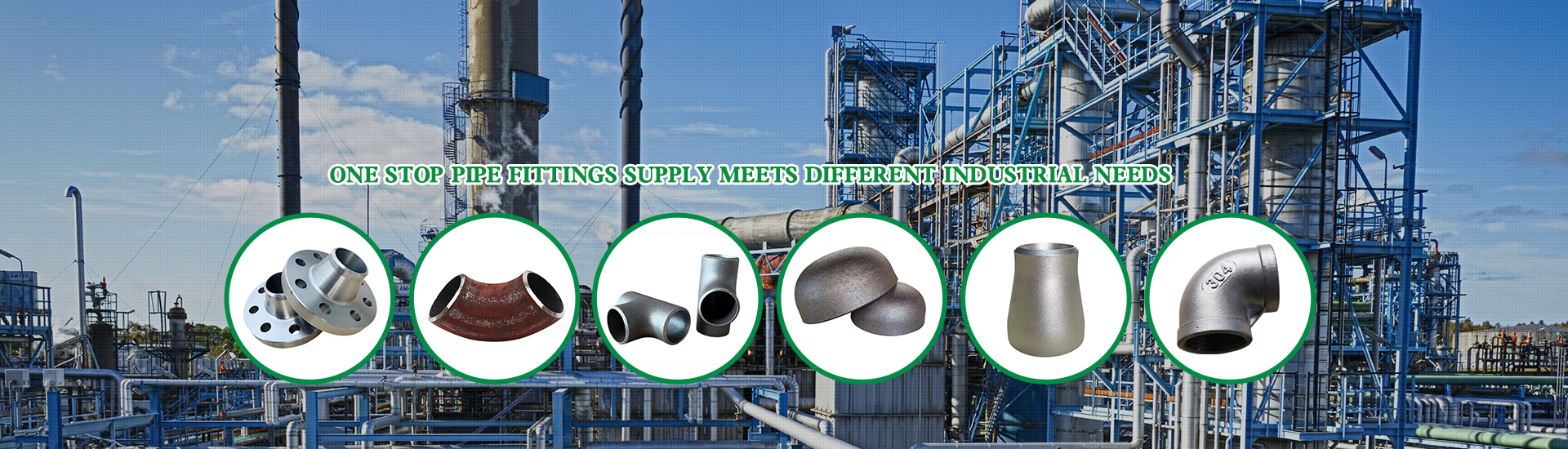
Carbon steel elbows are among the most essential components in industrial piping systems, serving as the primary means of changing flow direction while maintaining structural integrity under pressure. These pipe fittings are manufactured in various configurations to accommodate different piping layouts, pressure requirements, and environmental conditions. Understanding the manufacturing processes, type classifications, material specifications, and application domains of carbon steel elbows enables engineers, project managers, and procurement specialists to make informed decisions that ensure system reliability and operational efficiency.
Classification of Carbon Steel Elbows
Carbon steel elbows are classified primarily by their bending angle, manufacturing method, wall thickness, and radius specifications. The most common bending angles are 45 degrees and 90 degrees, which accommodate the majority of piping layout requirements. However, elbows are also manufactured in 11.25, 22.5, 30, 60, and even 180-degree configurations for specialized applications where unconventional flow direction changes are necessary.
Manufacturing methods for carbon steel elbows include hot pressing, cold forming, extrusion, and butt-weld fabrication. Hot pressing is the most widely used method for elbows with nominal pipe sizes larger than two inches. This process involves heating the steel tube or plate to temperatures between 900 and 1200 degrees Celsius and then pressing it into a die using a hydraulic press. The controlled heating and forming process produces elbows with uniform wall thickness distribution and refined grain structure, enhancing mechanical properties. Cold forming is suitable for smaller diameter elbows and thinner wall specifications, while extrusion is employed for producing elbows with exceptionally smooth internal surfaces that minimize flow turbulence.
Material Specifications and Grades
The material selection for carbon steel elbows directly influences their mechanical properties, corrosion resistance, and suitable operating temperature range. ASTM A234 WPB is the most commonly specified grade for carbon steel elbows in general industrial applications. This grade contains carbon as the primary alloying element along with manganese, silicon, and controlled amounts of phosphorus and sulfur. The manganese content, typically between 0.29 and 1.06 percent, improves hardenability and tensile strength without significantly compromising weldability.
For elevated temperature service, carbon steel elbows are manufactured using alloy grades such as ASTM A234 WP1, WP5, WP9, and WP22, which contain chromium and molybdenum to enhance high-temperature strength and oxidation resistance. WP1 containing half percent chromium and half percent molybdenum is specified for operating temperatures up to 427 degrees Celsius, while WP22 with 2.25 percent chromium and 1 percent molybdenum extends the safe operating range to approximately 566 degrees Celsius. These alloy elbows are essential components in power plant boiler systems, refinery process piping, and chemical processing facilities.
Manufacturers must maintain strict control over chemical composition, heat treatment parameters, and dimensional tolerances to ensure compliance with applicable standards including ASME B16.9 for factory-made butt-welding fittings and ASME B36.10M for welded and seamless wrought steel pipes. Quality assurance procedures encompass chemical analysis, mechanical testing including tensile and impact tests, non-destructive examination, and dimensional verification against engineering drawings and standard specifications.
Wall Thickness and Pressure Rating
The wall thickness of carbon steel elbows is specified according to the pipe schedule system, which correlates nominal pipe size with standardized wall thickness dimensions. Common schedules include Schedule 40, Schedule 80, Schedule 160, and Schedule XXS, with higher schedule numbers indicating thicker walls and higher pressure ratings. Elbows manufactured to specific schedule dimensions ensure compatibility with piping components of matching specifications, maintaining consistent pressure containment integrity throughout the piping system.
Manufacturers offer options for both standard and extra strong wall thickness configurations. The elbow forming process must maintain uniform wall thickness distribution to prevent thinning at the outer diameter of the bend and excessive thickening at the inner diameter. Modern manufacturing facilities employ computer numerical control equipment and in-process measurement systems to monitor wall thickness variation during forming, ensuring that final products meet dimensional tolerances specified in industry standards. Elbows with non-standard wall thickness requirements can be custom-manufactured to specific engineering drawings, allowing project engineers to optimize pressure ratings and weight specifications.
Industrial Applications of Carbon Steel Elbows
Carbon steel elbows are ubiquitous across numerous industries due to their favorable combination of mechanical strength, fabricability, and cost-effectiveness. In the petroleum and petrochemical industry, carbon steel elbows form critical connections in crude oil refining units, fractionation columns, heat exchangers, and product distribution pipelines. The chemical processing industry relies on carbon steel elbows for conveying aggressive media at elevated temperatures and pressures in reaction vessels, storage facilities, and transfer lines.
Power generation facilities, including thermal power plants and nuclear facilities, specify carbon steel elbows for boiler feedwater systems, steam distribution networks, condenser piping, and cooling water circuits. Oil and gas transmission pipelines use carbon steel elbows to navigate terrain constraints, connect compressor stations, and facilitate pipeline routing through processing facilities. Water treatment plants, municipal infrastructure projects, and structural steel applications also incorporate carbon steel elbows in large quantities due to their proven performance and economic advantages.
Installation and Quality Considerations
Proper installation of carbon steel elbows requires careful attention to alignment, fit-up tolerances, welding procedures, and post-weld inspection. Elbows must be oriented to direct flow with minimal turbulence and pressure drop, which is particularly important in high-velocity systems where erosion and cavitation are concerns. Butt-weld connections require precise bevel preparation and fit-up to ensure complete penetration and sound weld fusion. Qualified welding procedures per ASME Section IX should be employed by certified welders following established procedure qualification records.
When sourcing carbon steel elbows from manufacturers and suppliers, buyers should verify that products carry appropriate material certifications, including mill test reports documenting chemical composition, mechanical properties, heat treatment records, and non-destructive examination results. Purchasing from reputable manufacturers with proven quality management systems ensures consistent product quality and reduces the risk of field failures, rework costs, and project delays.
References
ASME B16.9 Factory-Made Wrought Buttwelding Fittings, American Society of Mechanical Engineers
ASME B36.10M Welded and Seamless Wrought Steel Pipe, American Society of Mechanical Engineers
ASTM A234/A234M Standard Specification for Piping Fittings of Wrought Steel, ASTM International
Piping Handbook, Ninth Edition, American Society of Mechanical Engineers Press