Introduction to Carbon Steel Elbows in Industrial Piping
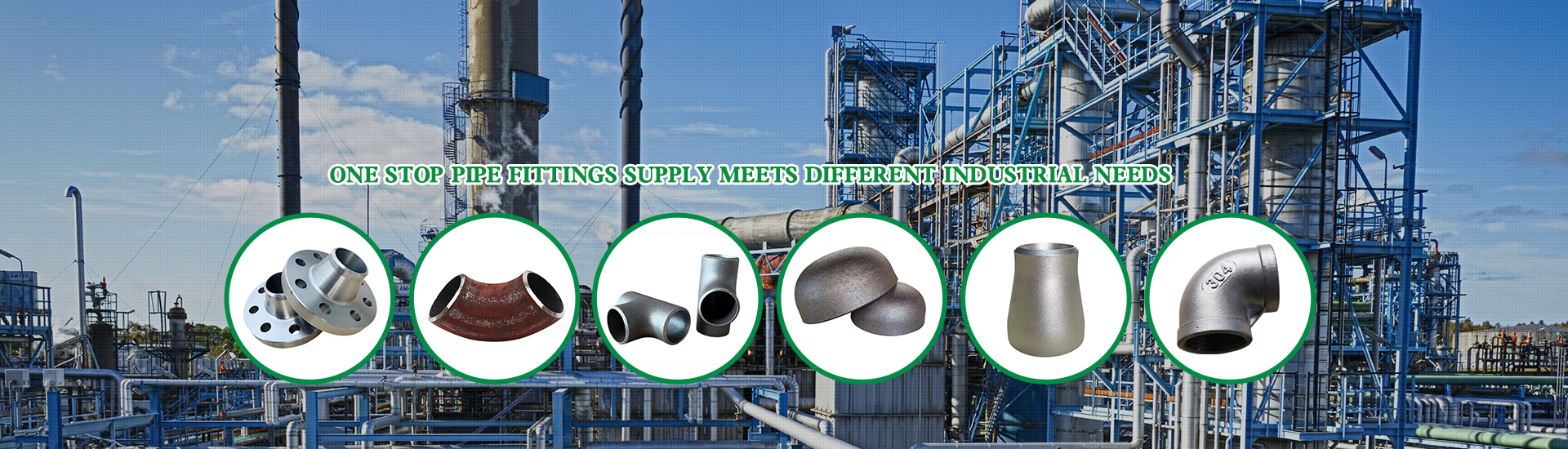
The carbon steel 90° elbow stands as one of the most critical components in industrial piping systems worldwide. As a fundamental pipe fitting manufactured by leading suppliers across the globe, this curvature component enables precise redirection of fluid flow at right angles, making it indispensable for complex pipeline routing in confined spaces. When you search for a reliable elbow supplier or established pipe elbow manufacturer, understanding the technical specifications and manufacturing standards becomes paramount for ensuring system integrity and operational safety.
Industrial facilities rely heavily on high-quality carbon steel elbows to maintain efficient flow paths while withstanding extreme operating conditions. From oil refineries processing crude petroleum to power plants generating electricity through high-pressure steam cycles, these fittings serve as the backbone of piping infrastructure. The demand for professionally manufactured carbon steel elbows continues to grow as industrialization accelerates across developing nations, prompting elbow manufacturers to invest in advanced production technologies and quality assurance systems.
Material Specifications and Grade Selection
Selecting the appropriate carbon steel grade for elbow manufacturing requires careful consideration of operating temperature, pressure ratings, and chemical compatibility. Professional pipe fitting factories typically utilize ASTM A234 WPB as the standard material for wrought carbon steel elbows, offering an optimal balance of mechanical properties and weldability. This medium-carbon steel formulation delivers tensile strength ranging from 60,000 to 75,000 psi while maintaining excellent impact resistance at ambient temperatures.
For high-pressure applications requiring superior mechanical performance, forged carbon steel grade ASTM A105 represents the preferred choice among elbow suppliers. This carbon-molybdenum steel exhibits enhanced tensile strength and improved resistance to creep deformation at elevated temperatures, making it ideal for power generation facilities operating steam lines above 800°F. Specialized applications in arctic environments demand low-temperature carbon steel such as ASTM A420 WPL6, which maintains toughness and fracture resistance at temperatures as low as -45°F.
Material certification from reputable elbow manufacturers must include comprehensive chemical composition analysis verifying carbon content between 0.3% and 0.35%, manganese levels from 0.6% to 1.0%, and controlled sulfur and phosphorus content below 0.035% each. Factory-produced elbows undergo strict quality control procedures to ensure material consistency across production batches, a critical factor when sourcing from wholesale pipe elbow suppliers for large-scale industrial projects.
Manufacturing Processes and Quality Control
The manufacturing of carbon steel 90° elbows employs multiple production techniques depending on diameter, wall thickness, and application requirements. Hot push forming represents the primary manufacturing method for seamless elbows in sizes ranging from ½ inch to 48 inches. This process involves heating forged steel billets to temperatures between 1,800°F and 2,200°F before gradually shaping them over precision mandrels using hydraulic presses capable of exerting forces exceeding 2,000 tons.
For oversized elbows exceeding 48 inches in diameter, fabrication factories typically employ segmented plate welding techniques. Multiple steel plates are cut to precise angles, then welded together using submerged arc welding processes to create large-diameter elbows with controlled grain structure and uniform mechanical properties. Experienced elbow manufacturers implement rigorous non-destructive testing protocols including radiographic examination, ultrasonic inspection, and liquid penetrant testing to identify internal and surface defects before products reach customers.
Dimensional accuracy represents another critical quality parameter maintained by professional pipe elbow manufacturers. ASME B16.9 standards govern factory-made wrought elbows, specifying tolerances of ±⅛ inch on center-to-face dimensions and ±1° on elbow angles. Reputable suppliers maintain coordinate measuring machines and laser scanning equipment to verify dimensional compliance, ensuring field installation compatibility without requiring extensive on-site fabrication or modification by piping contractors.
Pressure Ratings and Dimensional Standards
Understanding pressure-temperature ratings is essential for specifying appropriate carbon steel elbows in critical piping services. The pressure rating of a 90° elbow depends primarily on its schedule designation, which corresponds to wall thickness relative to nominal pipe size. Standard schedule elbows rated for ASME Pressure-Temperature Class 150 serve general industrial applications, while extra strong and double extra strong designs accommodate high-pressure steam, hydraulic systems, and wellhead installations.
Long radius elbows featuring center-to-face distances equal to 1.5 times the nominal pipe diameter represent the default selection for most piping applications due to their superior flow characteristics and lower pressure drop characteristics. Short radius elbows with 1.0 times pipe diameter measurements find specialized use in compact piping arrangements where spatial constraints prohibit standard curvature, though they generate slightly higher turbulence and erosion potential at the bend apex.
Established elbow manufacturers maintain comprehensive dimensional catalogs covering nominal sizes from ½ inch through 96 inches with schedule options spanning 10S through XXS. Wholesale pipe fitting suppliers typically stock popular configurations including 4-inch, 6-inch, and 8-inch LR elbows in SCH 40 and SCH 80 to serve routine maintenance and construction demands. Custom fabrications for oversized or special thickness applications generally require lead times of four to eight weeks depending on production capacity and material availability.
Applications Across Industrial Sectors
The petroleum and natural gas industry represents the dominant consumer of carbon steel 90° elbows, utilizing them extensively in gathering pipelines, refinery process units, and distribution networks. Midstream operators deploy millions of dollars worth of pipe fittings annually to construct gathering systems transporting crude oil from wellheads to processing facilities. Upstream exploration companies specify high-grade elbows rated for sour service environments containing hydrogen sulfide, requiring special material selections and manufacturing controls from qualified elbow manufacturers.
Power generation facilities depending on fossil fuel combustion or nuclear fission rely on carbon steel elbows throughout boiler feedwater systems, steam generators, and condensate return networks. A typical 500-megawatt coal-fired plant may contain over 50,000 individual pipe fittings including thousands of 90° elbows ranging from small instrument tubing to massive main steam lines exceeding 36 inches in diameter. Nuclear facilities impose additional certification requirements on elbow suppliers including nuclear-grade material traceability and enhanced non-destructive examination protocols.
Municipal water treatment plants, chemical processing facilities, and HVAC systems for commercial buildings constitute additional significant markets for pipe elbow manufacturers. Water infrastructure projects increasingly specify epoxy-coated carbon steel elbows to resist internal corrosion from chlorinated water and aggressive treatment chemicals. Industrial chemical plants require specialized material selections based on process fluid compatibility, with some services demanding nickel alloy upgrades beyond standard carbon steel to prevent stress corrosion cracking and hydrogen embrittlement.
Installation Best Practices and Maintenance
Proper installation techniques significantly influence the service life and performance of carbon steel elbows in piping systems. Piping engineers recommend maintaining adequate straight pipe lengths upstream and downstream of elbow installations to ensure fully developed flow profiles and minimize secondary flow effects that accelerate erosion on the bend outer wall. Field welders must follow qualified welding procedures specifying preheat temperatures, interpass temperature controls, and post-weld heat treatment requirements to preserve base metal mechanical properties in the heat-affected zone.
Regular inspection programs should target elbow regions showing evidence of wall thinning from erosion-corrosion mechanisms, particularly in systems conveying multiphase fluids or slurries containing abrasive particulates. Ultrasonic thickness measurement programs conducted by qualified inspectors provide quantitative data for remaining life assessments and replacement planning. Factory-finished elbows with proper coating systems demonstrate significantly improved corrosion resistance compared to field-fabricated alternatives, reducing maintenance costs and unplanned shutdowns over extended service periods.
References
ASME B16.9-2021: Factory-Made Wrought Steel Butt-Welding Fittings, American Society of Mechanical Engineers
ASTM A234/A234M-23: Standard Specification for Piping Fittings of Wrought Carbon Steel and Alloy Steel for Intermediate and Low Temperature Service, American Society for Testing and Materials
ANSI/ASME B16.5-2023: Pipe Flanges and Flanged Fittings NPS 1/2 through NPS 24, American Society of Mechanical Engineers
Peters, L. (2019): Pipe & Piping Fittings Handbook, CRC Press, detailing fitting selection and design principles for industrial applications
API RP 571-2021: Damage Mechanisms Affecting Fixed Facilities in the Petroleum and Petrochemical Industries, American Petroleum Institute