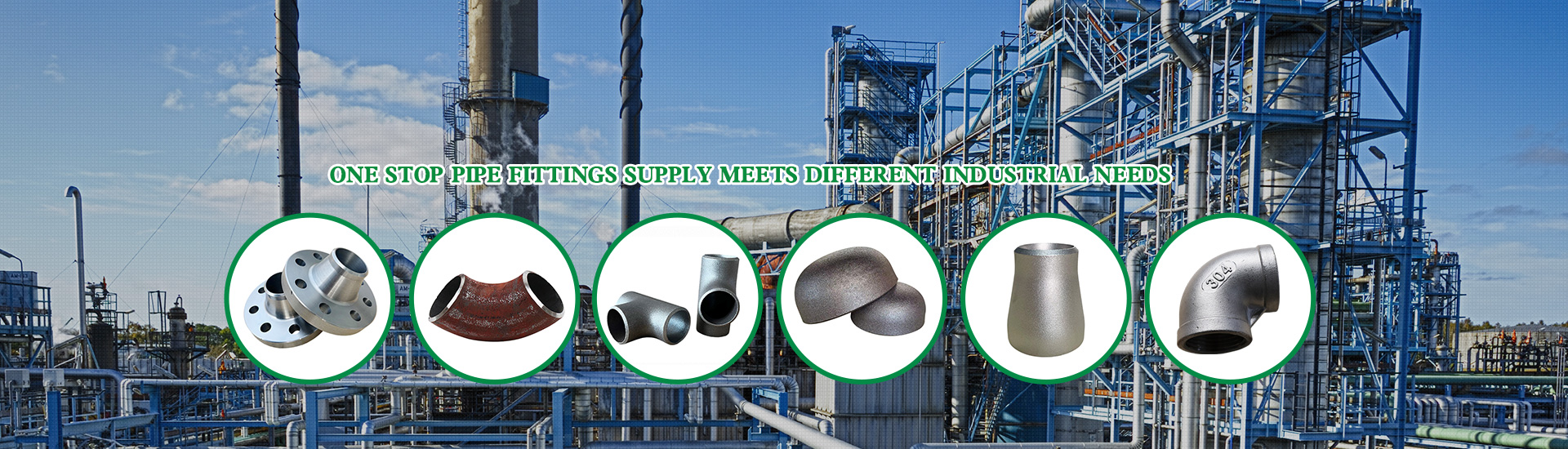
Carbon steel pipe fittings are widely used in industrial piping systems because of their strength, durability, and cost-effectiveness. However, carbon steel is highly prone to rust when exposed to moisture, oxygen, and corrosive environments. Preventing rust is essential to ensure long service life, maintain mechanical strength, and avoid leakage or system failure.
1. Understand Why Carbon Steel Rusts
Rust occurs due to an electrochemical reaction between iron, oxygen, and moisture.
Main Causes
Exposure to humidity or water
Oxygen contact in air or fluids
Lack of protective coating
Corrosive chemicals or salts
Poor storage conditions
Result
2. Apply Protective Coatings
Coatings are the most common and effective anti-rust solution.
Common Coating Types
Epoxy Coating
Paint Coating (Anti-Rust Paint)
Fusion Bonded Epoxy (FBE)
Galvanizing (Zinc Coating)
3. Use Proper Surface Preparation
Good coating performance depends on surface cleanliness.
Methods
Why It Matters
Poor surface preparation leads to coating failure and rapid rust formation.
4. Apply Anti-Rust Oil or Temporary Protection
For storage and transport, temporary protection is essential.
Methods
Application
5. Improve Storage Conditions
Improper storage is a major cause of early rust.
Best Practices
Store in dry, ventilated warehouses
Avoid direct ground contact
Keep away from rain and humidity
Use wooden pallets or racks
Important Rule
Never store fittings in open humid environments without protection.
6. Control Environmental Exposure
Operating conditions strongly affect corrosion rate.
Prevention Measures
Avoid stagnant water inside pipelines
Reduce exposure to corrosive chemicals
Maintain stable temperature conditions when possible
Use dehumidification in enclosed systems
7. Use Internal Lining Protection
For pipelines carrying water or chemicals, internal protection is important.
Common Linings
Epoxy lining
Cement mortar lining
Rubber lining
Benefit
Prevents internal corrosion and scaling.
8. Select Proper Material Grade
Not all carbon steels have the same corrosion resistance.
Options
ASTM A105 (standard forged carbon steel)
ASTM A234 WPB (welded fittings)
Weathering steel (for improved atmospheric resistance)
Strategy
Choose higher-grade materials for aggressive environments.
9. Regular Inspection and Maintenance
Early detection prevents serious damage.
Inspection Methods
Maintenance Actions
10. Avoid Mechanical Damage to Coating
Even small coating damage can lead to rust.
Common Issues
Solution
11. Use Cathodic Protection (For Buried Systems)
For underground pipelines, advanced protection is required.
Methods
Benefit
Prevents electrochemical corrosion in soil environments.
Conclusion
Preventing rust on carbon steel pipe fittings requires a combination of protective coatings, proper surface preparation, controlled storage, environmental protection, and regular maintenance. For long-term industrial applications, epoxy coatings, galvanizing, and cathodic protection provide the most reliable solutions. When combined with good handling and inspection practices, the service life of carbon steel fittings can be significantly extended while reducing maintenance costs.
References
ISO 12944 – Corrosion Protection of Steel Structures by Protective Paint Systems
ASTM A123 – Zinc (Hot-Dip Galvanized) Coatings
ASTM A153 – Zinc Coating on Iron and Steel Hardware
NACE Corrosion Engineering Standards
ASME B31.3 – Process Piping
API RP 571 – Damage Mechanisms Affecting Fixed Equipment in Refining Industry