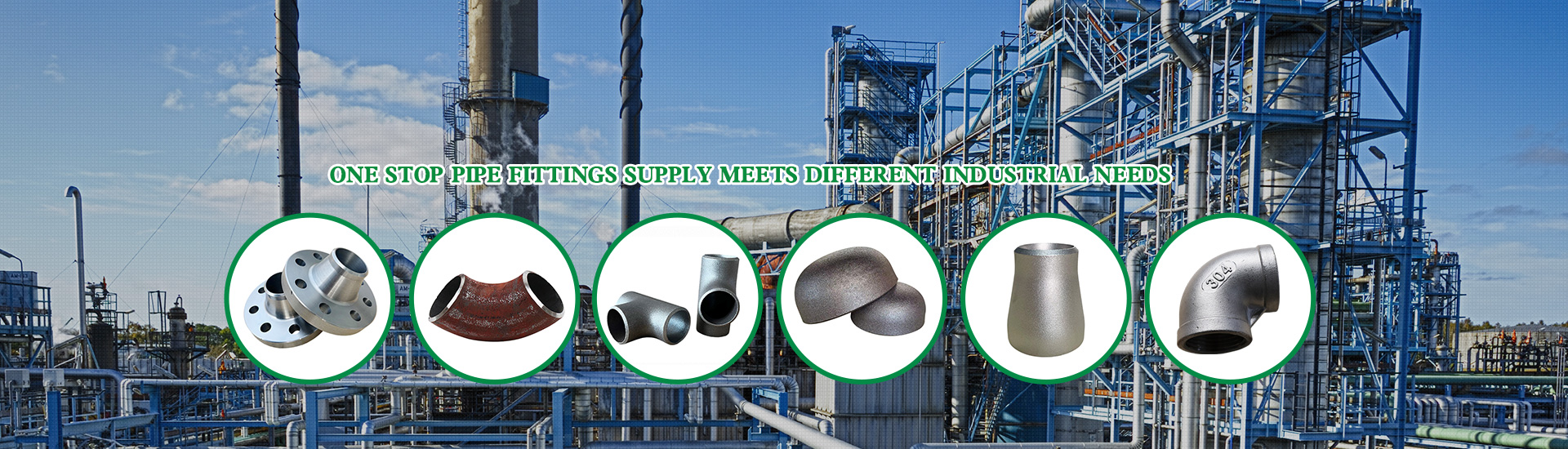
Galvanized pipe fittings are widely used in water supply, construction, fire protection, and industrial piping systems due to their corrosion resistance and durability. However, despite the protective zinc coating, several problems can still occur during manufacturing, installation, or operation. Understanding these issues and their solutions helps improve system reliability and extend service life.
1. White Rust (Zinc Oxide Corrosion)
White rust is one of the most common defects in galvanized fittings.
Causes
Moist storage conditions
Poor ventilation during storage
Water condensation on zinc surface
Stacking wet fittings without drying
Effects
Solutions
Store in dry, well-ventilated areas
Avoid stacking wet fittings
Apply temporary protective oil if long storage is required
Ensure proper packaging during transport
2. Zinc Coating Peeling or Flaking
The zinc layer may detach from the steel surface.
Causes
Poor surface preparation before galvanizing
Incorrect galvanizing temperature control
Low-quality zinc adhesion
Mechanical impact during handling
Effects
Solutions
Ensure proper sandblasting or cleaning before galvanizing
Follow controlled hot-dip galvanizing process
Avoid mechanical damage during transport and installation
Perform adhesion testing during quality control
3. Uneven Zinc Coating Thickness
Non-uniform coating reduces protection effectiveness.
Causes
Improper dipping angle or speed
Poor process control during galvanizing
Irregular fitting geometry
Effects
Solutions
Strict process control during hot-dip galvanizing
Regular coating thickness inspection
Use standardized production procedures (ISO 1461 compliance)
4. Thread Damage or Blockage
Threads on galvanized fittings may become unusable.
Causes
Excess zinc accumulation in threaded areas
Poor thread protection during galvanizing
Improper cleaning after coating
Effects
Solutions
Use thread masking before galvanizing
Clean and re-tap threads after coating if needed
Apply anti-seize compound during installation
5. Internal Rusting
Even galvanized fittings can rust internally over time.
Causes
No internal coating protection
Moisture trapped inside fittings
Oxygen and water exposure in stagnant systems
Effects
Contamination of fluid
Reduced flow capacity
Structural weakening
Solutions
Apply internal epoxy lining when required
Ensure proper drainage in pipeline design
Avoid long-term stagnant water conditions
6. Hydrogen Embrittlement (Less Common but Critical)
This issue affects high-strength steel fittings.
Causes
Acid cleaning before galvanizing
Hydrogen absorption during process
Improper post-treatment baking
Effects
Solutions
Use proper de-embrittlement heat treatment
Control acid pickling time
Follow ASTM A143 guidelines
7. Poor Fit During Installation
Galvanized fittings may not align properly.
Causes
Excess coating thickness affecting dimensions
Manufacturing tolerance errors
Thread deformation after galvanizing
Effects
Solutions
Ensure dimensional inspection after galvanizing
Use calibrated machining before coating
Follow ASME and ISO dimensional standards
8. Corrosion at Cut or Damaged Areas
Zinc protection is lost when coating is damaged.
Causes
Effects
Solutions
Apply zinc-rich paint on damaged areas
Avoid field cutting whenever possible
Use protective handling equipment
9. Poor Aesthetic Appearance
Surface irregularities may occur after galvanizing.
Causes
Effects
Solutions
10. Scale Build-Up Inside Fittings
Internal deposits may form during service.
Causes
Effects
Reduced flow capacity
Increased pressure drop
Solutions
Regular pipeline flushing
Use water treatment systems
Install filters in critical systems
Conclusion
Galvanized pipe fittings offer strong corrosion protection, but issues such as white rust, coating damage, uneven thickness, and thread problems can still occur. Most of these problems are related to improper storage, manufacturing defects, or installation mistakes. With proper surface preparation, strict galvanizing control, correct handling, and maintenance practices, the performance and service life of galvanized fittings can be significantly improved.
References
ASTM A123 – Zinc (Hot-Dip Galvanized) Coatings on Iron and Steel Products
ASTM A153 – Zinc Coating (Hot-Dip) on Iron and Steel Hardware
ISO 1461 – Hot Dip Galvanized Coatings Specifications
ASTM A143 – Safeguarding Against Embrittlement of Hot-Dip Galvanized Steel
ASME B31.3 – Process Piping
NACE Corrosion Control Standards Handbook