Epoxy Coated Steel Pipe
Epoxy Coated Steel Pipe Product Overview Epoxy Coated Steel Pipe, often referred to as Fusion Bonded Epoxy (FBE) or Epoxy Lined Steel Pipe , is a composite product designed to combi...

Product Details
Epoxy Coated Steel Pipe
Product Overview
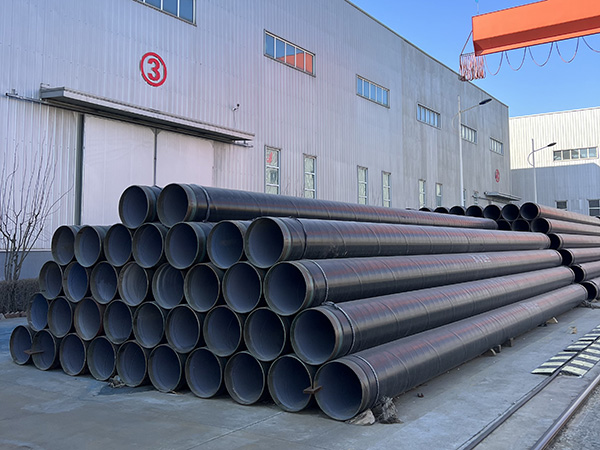
Epoxy Coated Steel Pipe, often referred to as Fusion Bonded Epoxy (FBE) or Epoxy Lined Steel Pipe, is a composite product designed to combine the high mechanical strength of steel with the superior corrosion resistance of epoxy resin. These pipes are manufactured by applying a layer of epoxy powder or coating to the interior (lining) and/or exterior (coating) of a steel pipe. This process creates a durable, smooth, and chemically resistant barrier that protects the steel from rust, scaling, and chemical attack, making it ideal for water transmission, fire protection, and industrial chemical transport.
Key Features and Benefits
Superior Corrosion Resistance: The epoxy layer acts as a robust barrier against moisture, soil, acids, alkalis, and salt water, significantly extending the pipe's service life (often exceeding 50 years).
Hydraulic Efficiency: The interior coating is extremely smooth (friction coefficient ~0.009–0.01), which reduces fluid resistance, prevents scaling, and increases flow capacity by approximately 15–20% compared to uncoated steel.
Hygienic & Non-Toxic: The epoxy materials used are typically compliant with GB/T 17219 and NSF/ANSI 61 standards, ensuring they are safe for potable water and do not support bacterial growth or biofilm formation.
Mechanical Strength: Unlike pure plastic pipes, the steel base provides high tensile strength, allowing the pipe to withstand high pressure, heavy loads, and physical impact.
Adhesion & Durability: The coating is bonded to the steel at high temperatures, resulting in high adhesion strength (often >30N/10mm) that resists peeling, cracking, or cathodic disbondment.
Coating Configurations
Epoxy coated pipes are available in several configurations depending on the application:
Internal Epoxy Lining:
Purpose: Protects against internal corrosion and fluid contamination.
Use Case: Potable water supply, fire sprinkler systems, and chemical transport.
Thickness: Typically 0.25mm to 0.50mm (250–500µm).
External Epoxy Coating:
Purpose: Protects against soil corrosion and environmental stress.
Use Case: Buried pipelines, underwater crossings, and piling.
Thickness: Varies by standard (e.g., >0.6mm for standard, >1.0mm for reinforced).
Internal & External (Double Layer):
Purpose: Complete protection for harsh environments.
Use Case: Mining slurry lines, seawater intake, and aggressive industrial effluents.
Technical Specifications
Product Name: Epoxy Coated Steel Pipe (FBE / EP Lined)
Base Pipe Materials:
Seamless: ASTM A106, API 5L
Welded (LSAW/SSAW): API 5L, GB/T 3091
Galvanized Base: GI Pipe with Epoxy Overcoat
Coating Material: Thermosetting Epoxy Powder (EP).
Coating Thickness:
DN ≤ 65: >0.30 mm (Internal)
DN ≥ 80: >0.35 mm (Internal)
External: 200µm – 500µm (Standard) or customized.
Operating Temperature: -30°C to +80°C (Standard Epoxy); up to 90°C for specialized grades.
Pressure Rating: Matches the base steel pipe (typically PN10, PN16, PN25, or Class 150/300).
Connection Types:
Grooved (Victaulic): Most common for fire/water.
Flanged: For industrial/pump connections.
Threaded: For smaller diameters (DN15–DN100).
Applications
Epoxy coated steel pipes are versatile and widely used in:
Fire Protection: The standard material for wet and dry sprinkler systems due to its corrosion resistance and red color coding.
Potable Water: Municipal water supply networks and building water risers.
Industrial & Mining: Transporting chemicals, slurry, and wastewater; specifically used in mines for its anti-static and flame-retardant properties.
HVAC: Chilled water and cooling water circulation systems.
Cable Protection: Protecting electrical and communication cables in buried applications.
Quality Assurance
We ensure that every epoxy coated pipe meets rigorous performance standards. Our quality control process includes:
Surface Preparation: Steel is shot-blasted to Sa 2.5 grade to ensure maximum adhesion.
Holiday Detection: 90% inspection using high-voltage spark testers (e.g., 5kV–25kV) to detect pinholes or voids in the coating.
Adhesion Testing: Cross-cut and pull-off tests to verify the coating bonds firmly to the steel.
Bend & Impact Tests: Ensuring the coating does not crack or peel under physical stress.
Certification: Full compliance with GB/T 17219, CJ/T 120, API 5L, and ISO standards, accompanied by Mill Test Certificates (MTC).